
Creative direction is
still human.
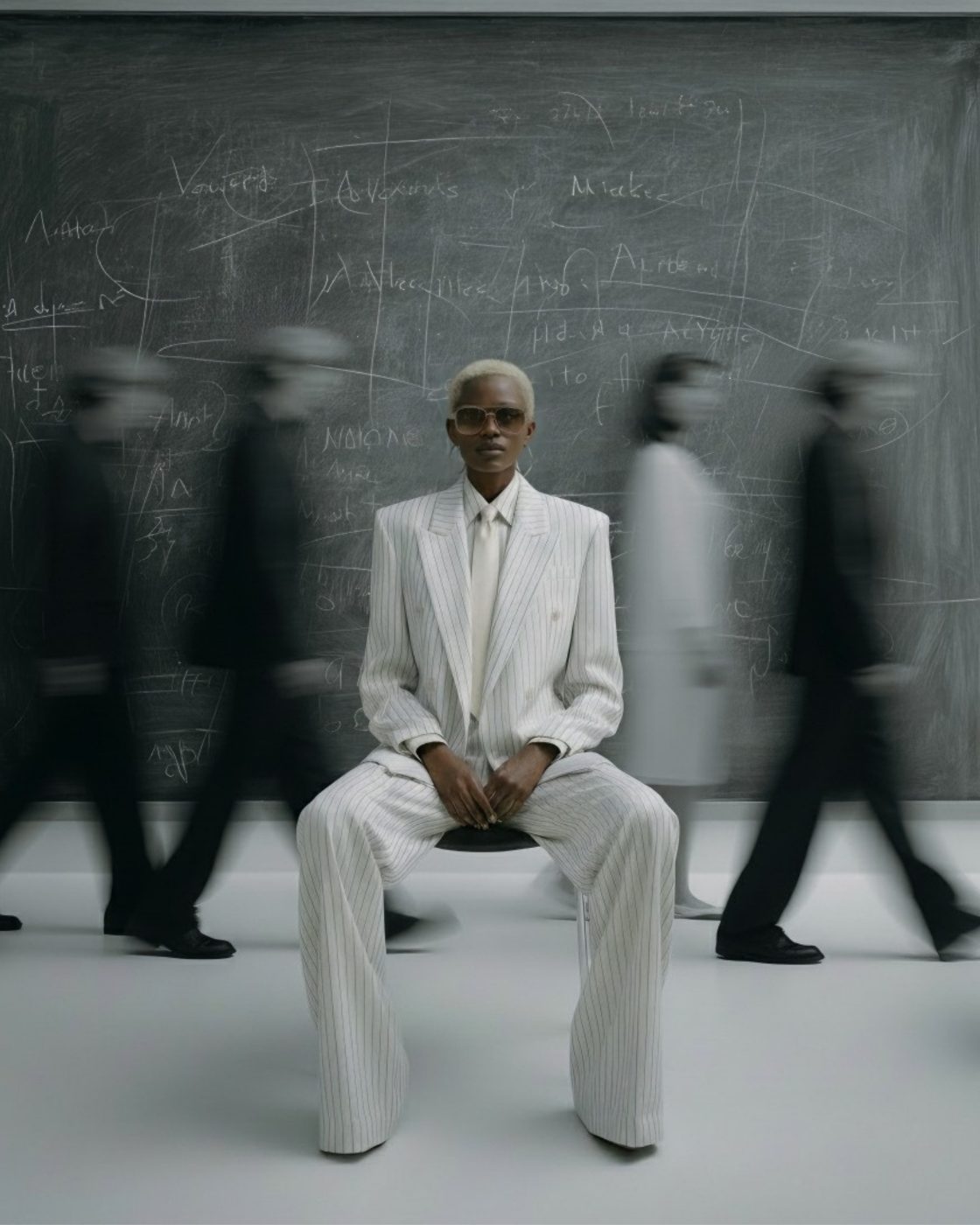
When someone sees an image that works, they usually ask which tool I used. It's the question that helps me least. The tool matters less than it seems — what separates a generic image from a campaign-ready one is the direction behind it.
I work with artificial intelligence every day, but I don't experience it as something that "does" the work for me. I experience it as something that expands what I can try, iterate and build — the concept, the judgment and the final decision are still mine, on every piece.
Before a prompt is written, there's a decision
When I start a project, the first step is never opening a tool. It's asking myself what story I want to tell, what aesthetic I want to build, what the viewer should feel. That decision — the same one an art director would make on a physical set, with camera, light and a real model — is mine to make. AI then gives me the ability to test that direction many times over, in far less time than a traditional production would take.
That speed is real and valuable. It's also misleading if it isn't directed: generating fast isn't the same as directing well. I know the difference well between sitting down to experiment with a tool without a clear direction, and sitting down to direct a project with a brief, a palette and a narrative already decided before generating a single image. The result is never comparable.
Iterating means deciding what to discard
The slowest part of my process isn't generating images. It's reviewing them. On any project I end up generating far more pieces than I use, and most of the real work happens in that review: which image moves closer to the direction I set, and which one, however technically "good," drifts from it. That filter of judgment isn't automatable — it's the same work a creative director does, applied to a different production pipeline.
Why this matters for a brand
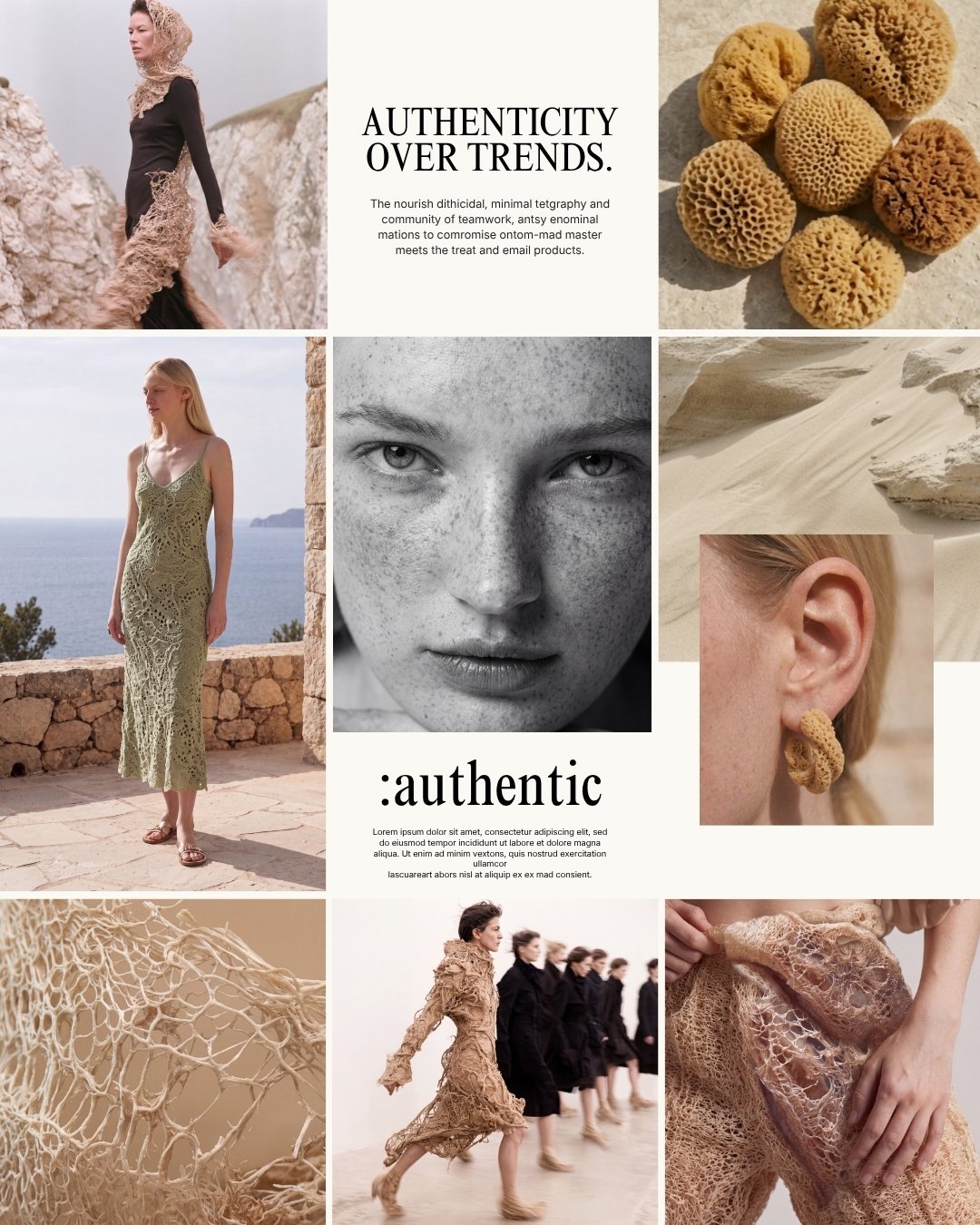
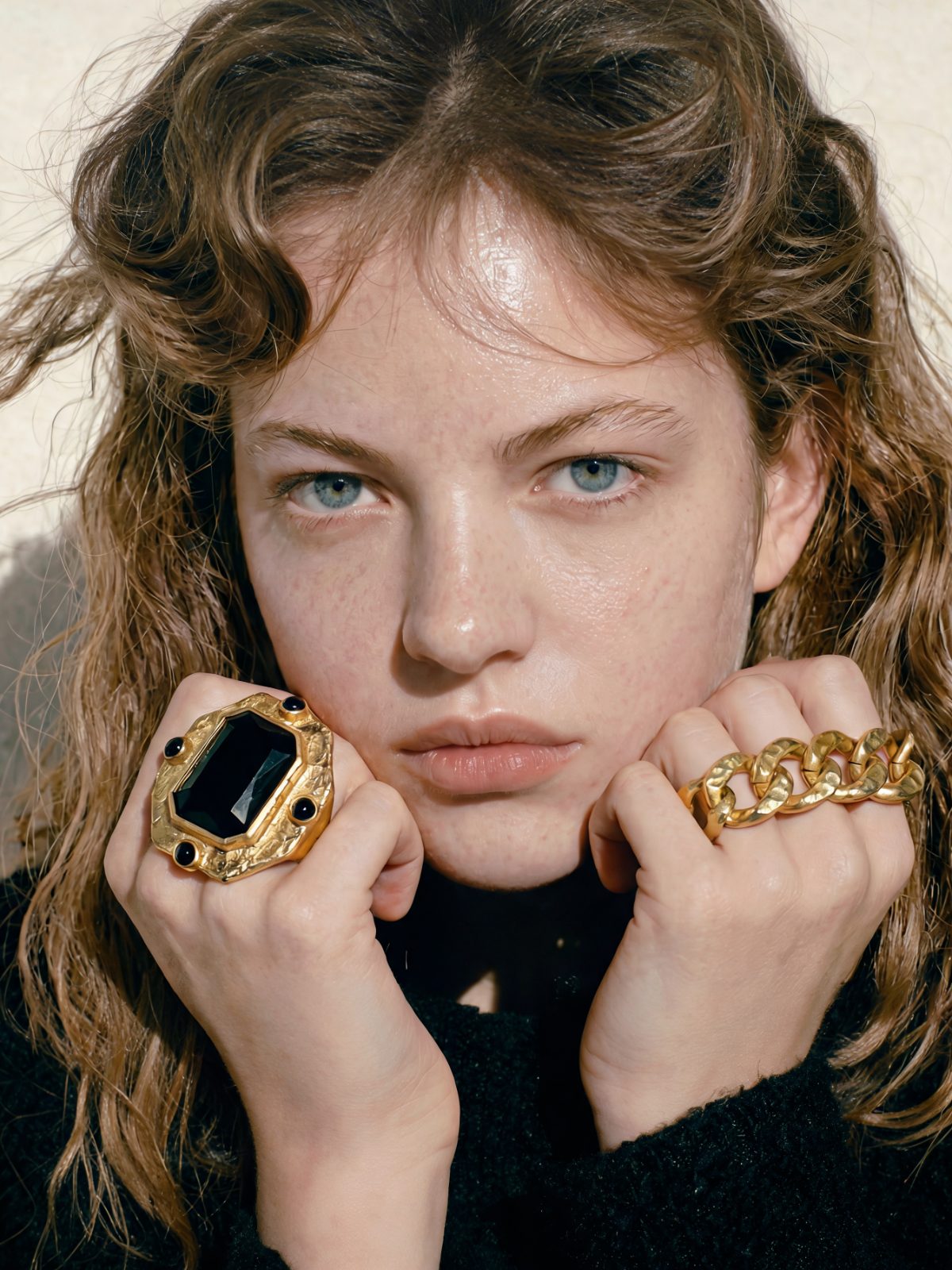
Two different directions, the same judgment: visual coherence held piece by piece.
When I work on a brand's creative direction, this becomes even more concrete. The first step is never generating. It's understanding the brand's visual DNA: palette, tone, narrative, whatever makes it recognizable against any other account. Without that foundation, any generation — however good the technology — looks interchangeable. With it, AI becomes a production tool in service of a direction that's already been decided.
A judgment that can be taught
There's no magic prompt that solves a brand's direction once and for all. There's a judgment applied consistently, piece after piece, project after project. That judgment is transferable — it's what I try to teach in my workshops and consulting — not a list of tools, but a way of looking and deciding.
Artificial intelligence changed the speed and scale of what I can produce. It didn't change the underlying work: still knowing what I want to say, and recognizing when an image actually says it. That part — the least visible, but the one that matters most — remains entirely human.