
Inside the process:
"Materia Viva".
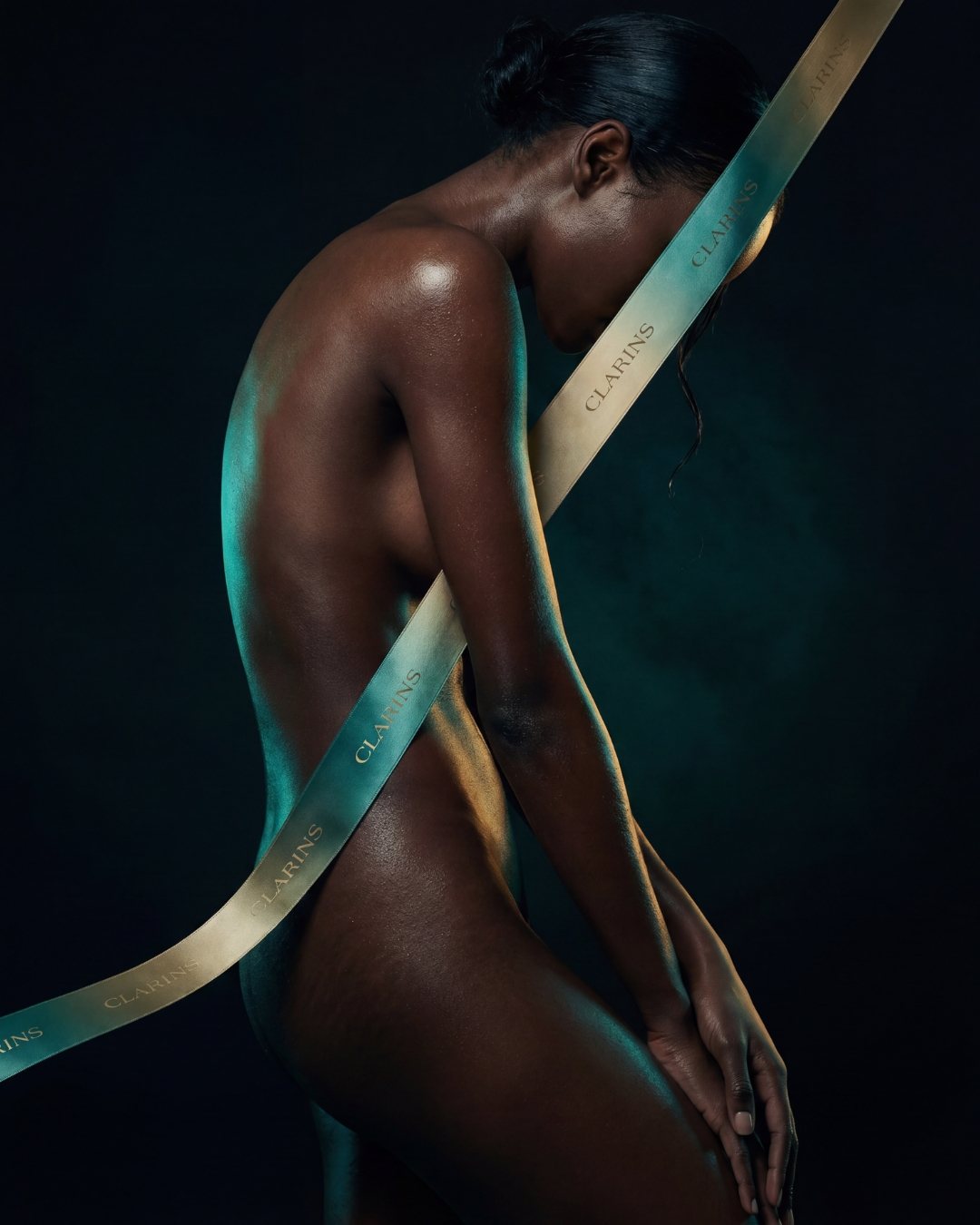
"Materia Viva" is a conceptual beauty editorial exploring green, gold and skin as a single sensory material. I mention this whenever I can: it's a personal conceptual project, not a client commission. That freedom is exactly what lets me show the full process, without the filters a commercial brief usually imposes.
Starting point: a sensation, not a product
The brief I set myself wasn't "photograph a beauty product." It was a more abstract question: what would the sensation of a product on skin look like, if that sensation were visible matter? From there came the project's central decision — merging product colour and skin colour into a single surface, until it became hard to tell where one ends and the other begins.
Defining direction before generating
Before producing a single image, I set three rules: palette (deep green combined with gold), texture (liquid, almost metallic), and framing (macro, very intimate, with no excess space around the subject). Every prompt I wrote afterward had to respect all three rules at once — not as a loose list of instructions, but as part of a visual system built to hold ten pieces and a video without any of them feeling out of place.
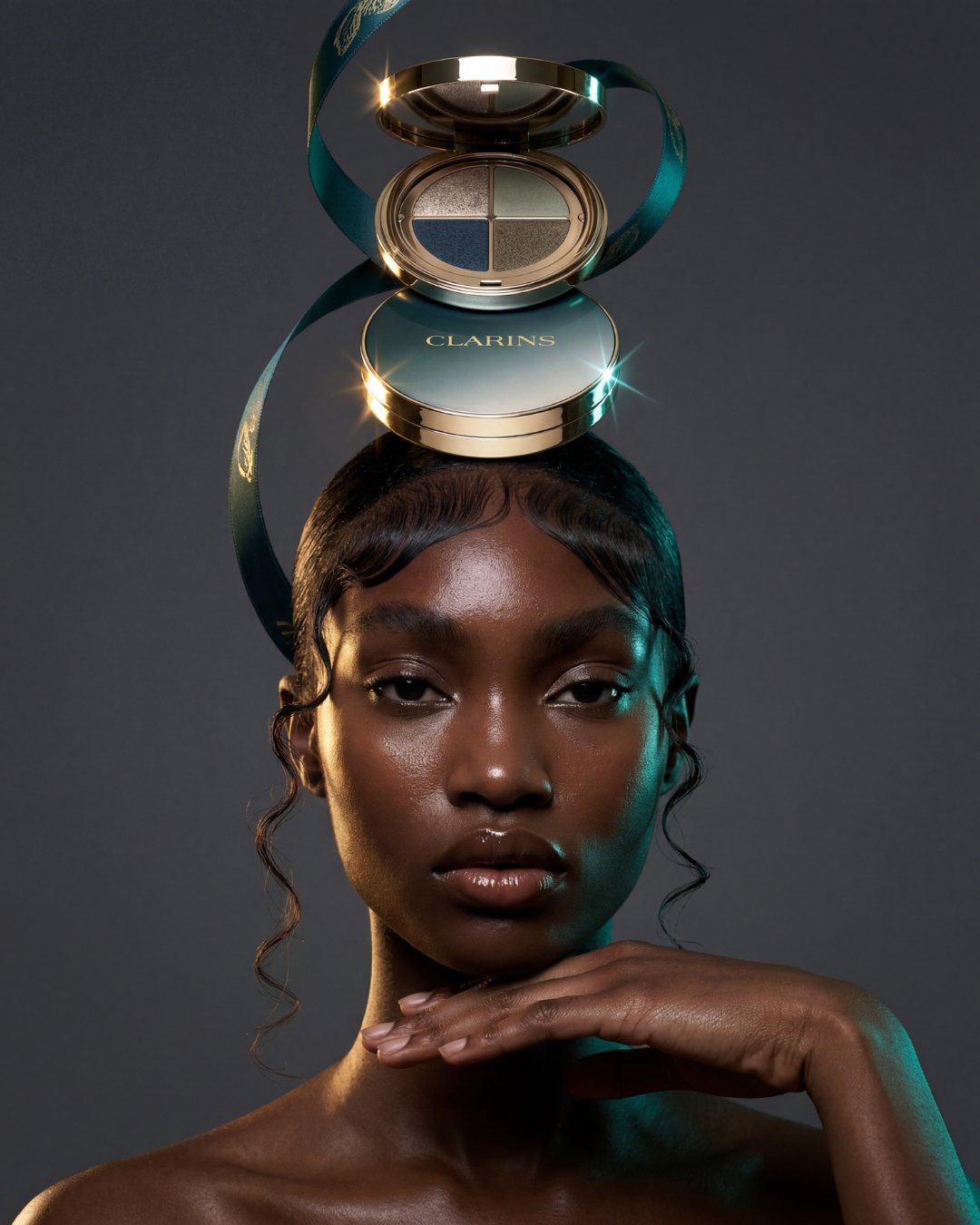

Materia Viva — iterations within the same visual system: palette, texture and framing.
This, to me, is the difference between generating loose images and directing a project: the rules are set beforehand, not discovered by generating at random and keeping whatever "looks nice." When an image broke the texture or drifted from the palette, I discarded it, even if it was appealing on its own. The question was never "is this a good image?" but "is this the right image for this project?"
Iterating toward a goal, not at random
The slowest part of "Materia Viva" wasn't generating — it was reviewing. I worked through many variations of each shot before settling on the one that truly held the sensation I was after: that exact point where the product stops looking like a product and starts looking like skin. That process of reviewing and discarding is the same one I apply in brand campaigns, except here, as a personal project, I could iterate without the pressure of a client deadline.
What this project confirms for me
Every time I finish a conceptual project like this, it confirms what I apply in commercial work: directing with AI isn't about generating a lot and picking the prettiest result at the end. It's about holding a clear direction from the start and having the judgment to recognize, among many variations, which one truly represents it. That judgment is what I teach in my workshops, and it's also what I keep training every time I start a new project, whether personal or for a brand.