
What "Fashion AI"
really means.
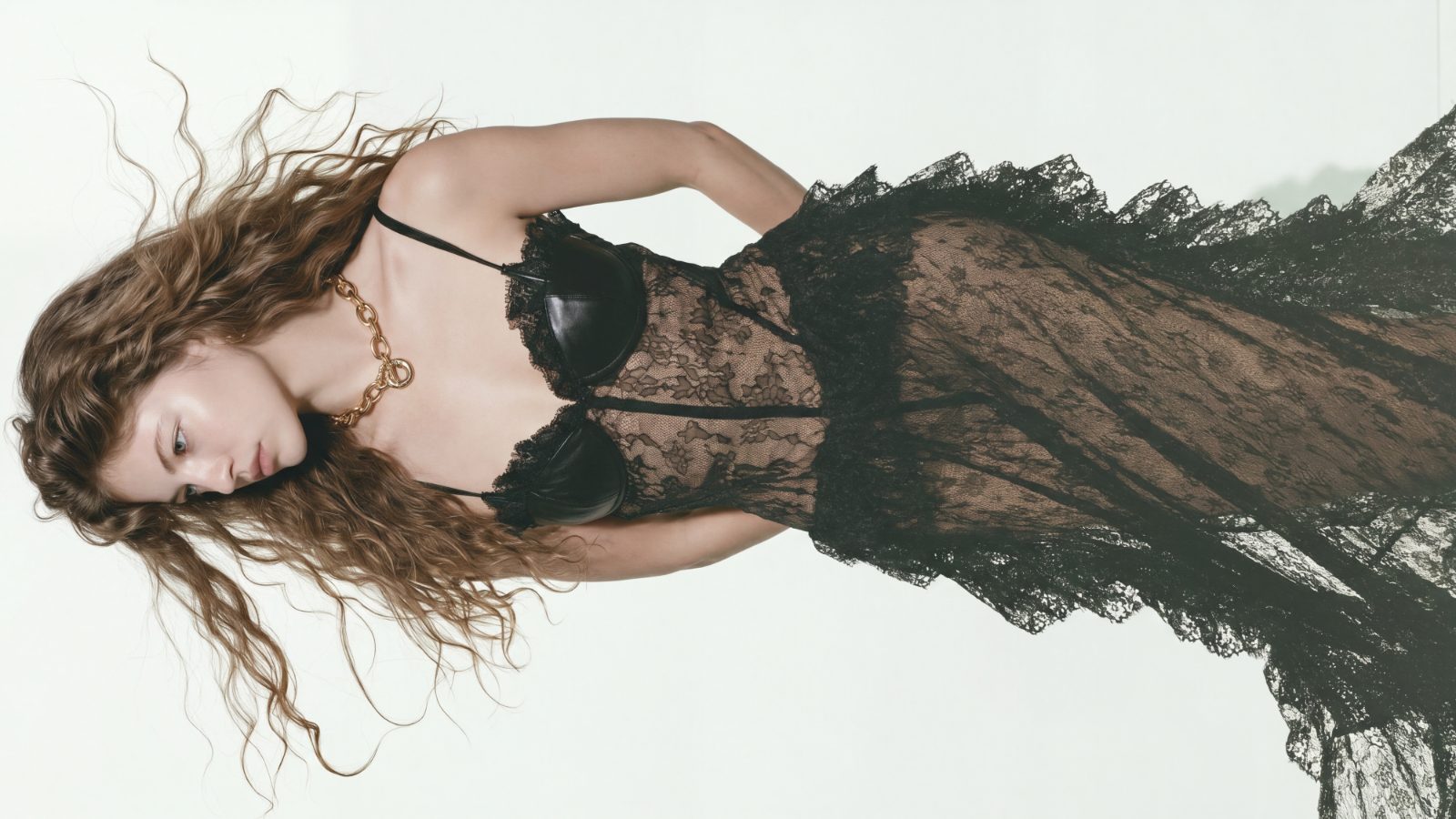
"Fashion AI" gets used today to describe almost anything: from a filter to a full editorial campaign. I work in that space every day, and for me there's a real difference between generating a fashion image with AI and directing a Fashion AI project from start to finish. The difference isn't in the technology used. It's in the process.
An editorial, not a generation
My editorial "Lace & Leather" is a good example of what I mean. The starting point wasn't asking a tool for "a 90s fashion photo." It was building a full direction before generating anything: hard light, real attitude, intimate framing, dark silhouettes. Every piece was prompted as a shot within a real shoot, with model, light and set direction already decided — not as an isolated attempt to see what would come out.
That difference shows in the result. When I review the images from a project like this, I'm not looking for the single best photo. I'm looking for the series that holds together as a whole: light that stays consistent from one piece to the next, an attitude that doesn't break halfway through, each image adding something to the narrative instead of repeating the last one with a different pose.
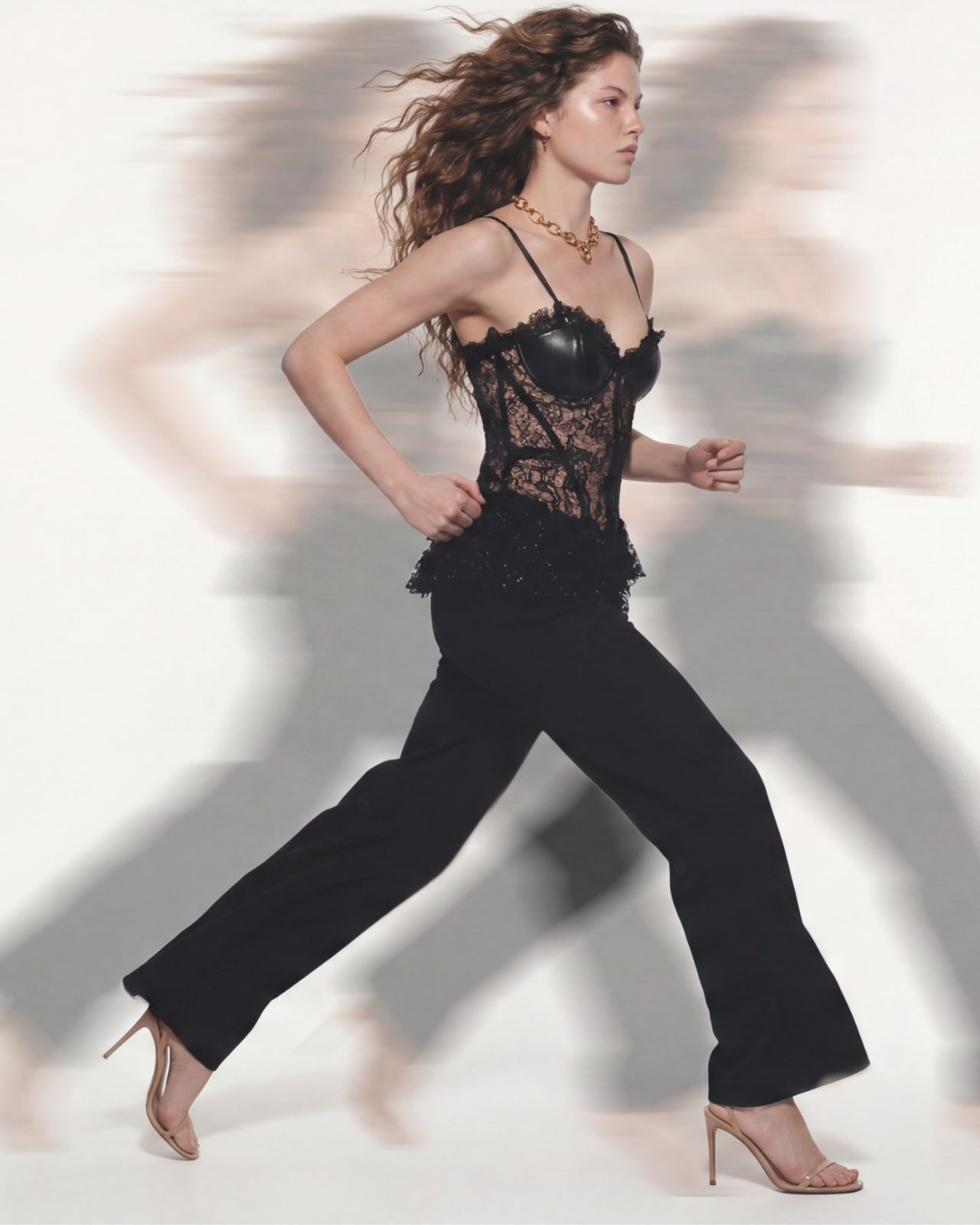
Lace & Leather — one of the seven pieces in the series.
From brief to result
Before generating the first image for "Lace & Leather," I already had the direction clear: a raw, almost documentary aesthetic, far from the overly polished finish often associated with AI-generated work. That personal brief — even without a client behind it — worked exactly like a real brief would: it set the boundaries I could iterate within, and gave me a clear judgment for discarding anything that, however pretty, didn't fit that direction. Holding a brief across an entire project is, to me, what separates directing from simply experimenting.
Directing means discarding a lot
On an editorial project I generate far more images than I end up using. The demanding part isn't the generation itself — it's deciding, piece by piece, which one moves closer to the direction set from the start, and which one, however technically correct, doesn't fit with the rest. That selection judgment is the same one I'd apply directing a traditional fashion editorial: visual consistency across pieces, a palette that holds from start to finish, a narrative that connects one image to the next.
What brands are really looking for
When a brand comes to me talking about "Fashion AI," what they usually need is speed: producing more content, faster, without losing campaign-level quality. And that's exactly where I want to be clear: speed without direction produces interchangeable content, not far from what any other account using the same technology could put out. The real value of applying AI to fashion isn't replacing traditional production. It's being able to iterate a creative direction far faster than a physical shoot would allow, without giving up the judgment that holds that direction together.